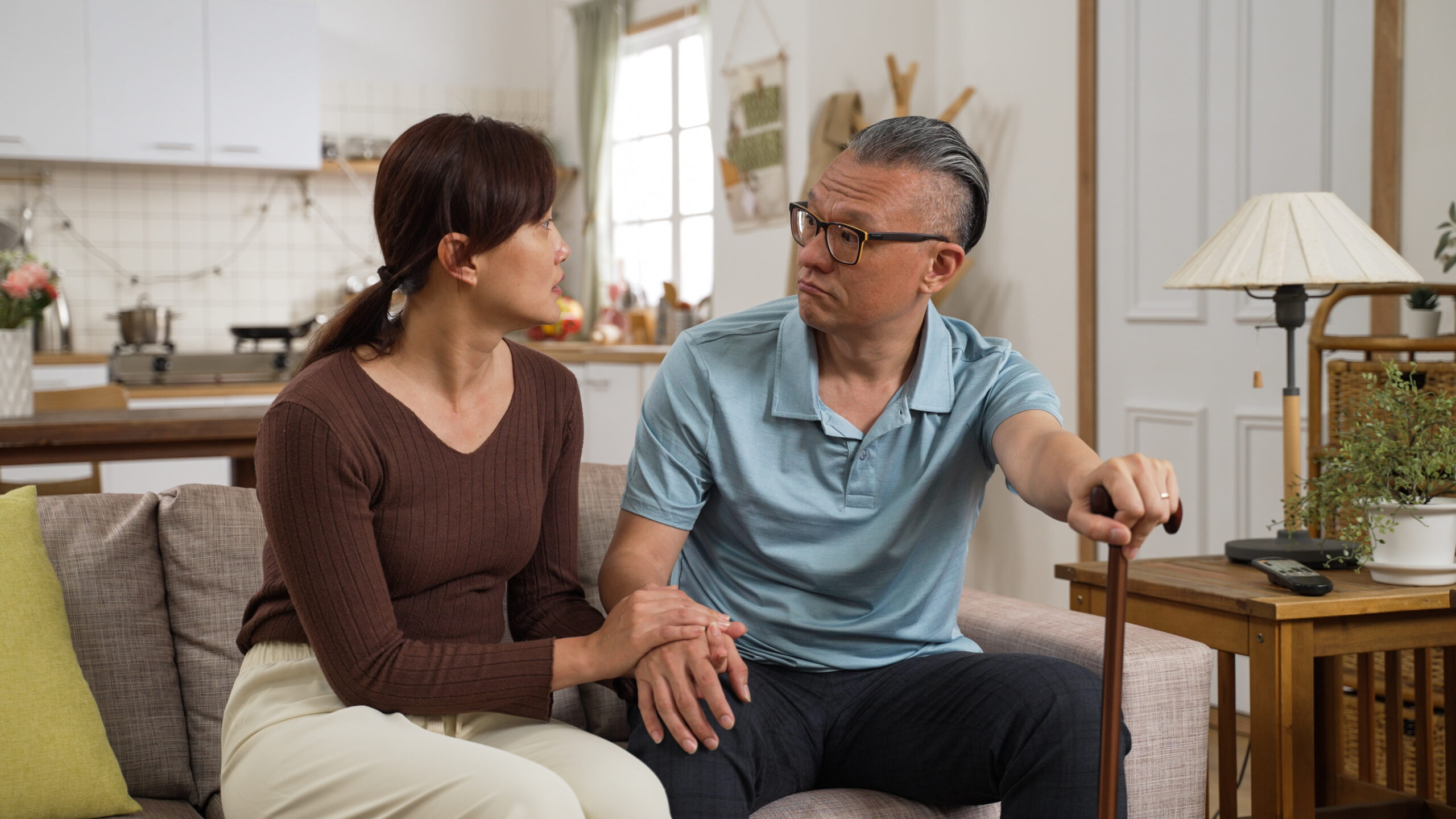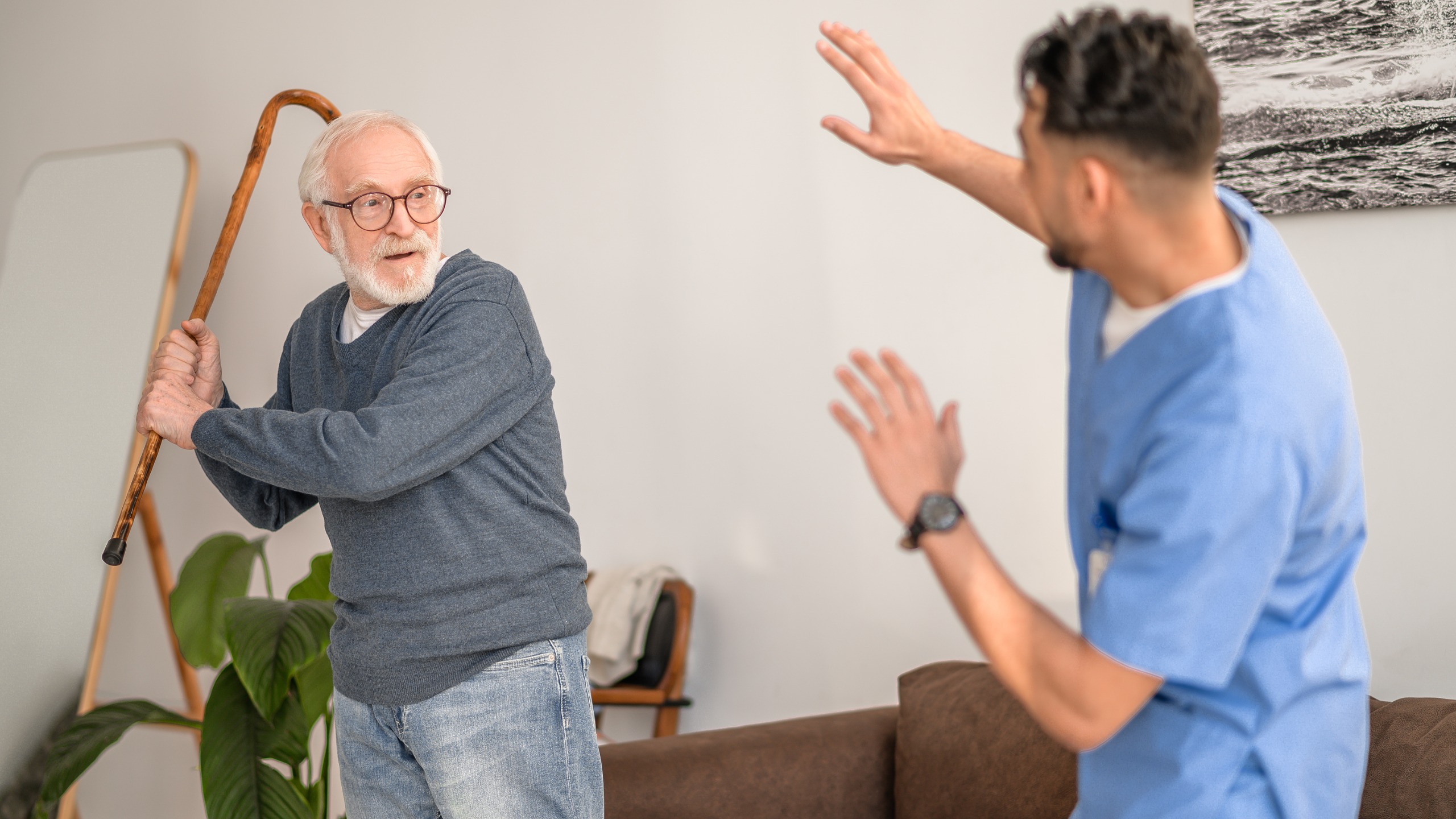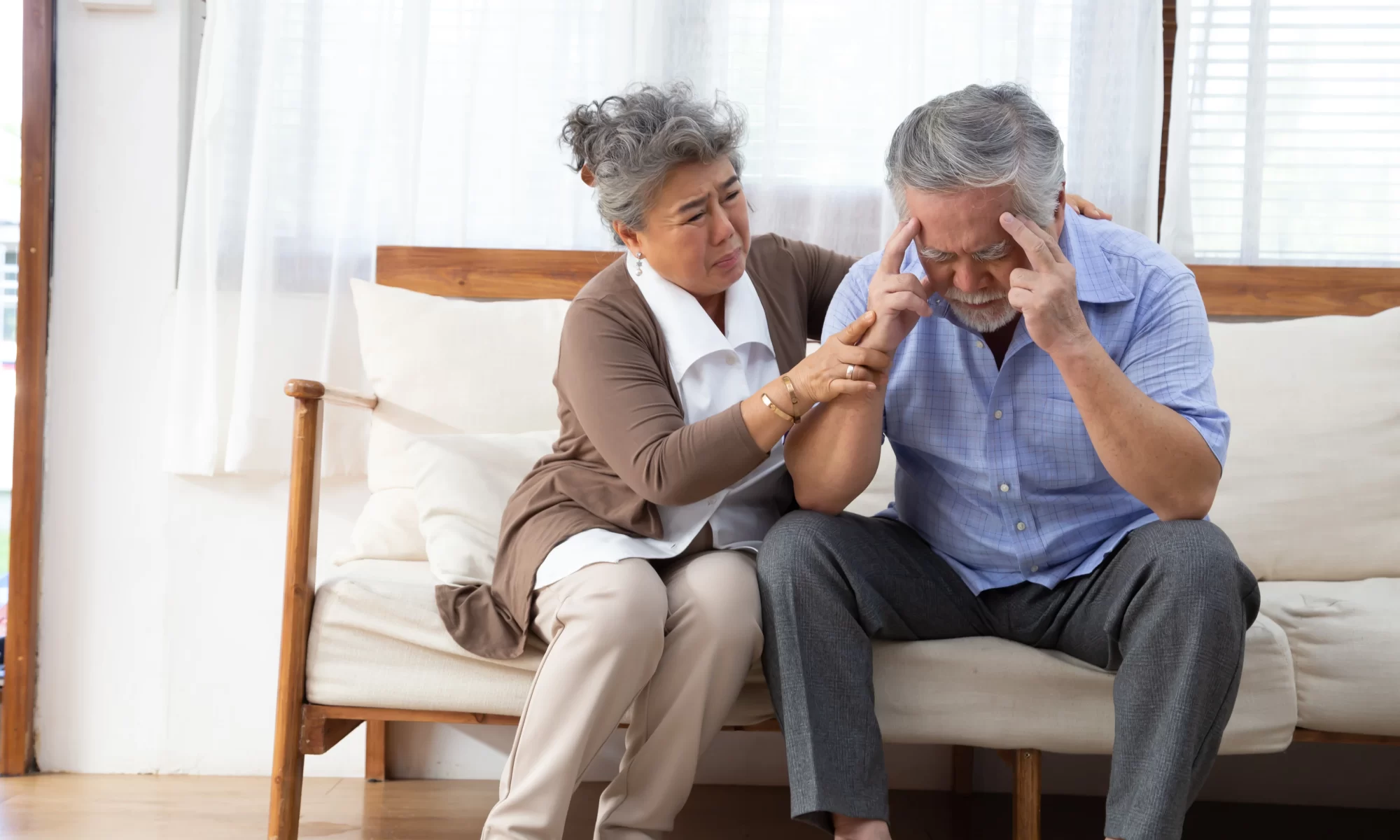
Head injuries can impact the brain in many ways. Even mild injuries may lead to temporary confusion or forgetfulness. Short-term memory loss often occurs after a concussion or traumatic brain injury. Symptoms can include difficulty recalling recent events, misplacing objects, or trouble remembering instructions. Early recognition and proper care are essential for recovery. Monitoring cognitive changes and seeking professional advice can prevent complications. Understanding the brain’s response to injury can guide effective management and support, especially for seniors who may be at higher risk of falls and head trauma.
Home Care and Memory Support after a Head Injury
After a head injury, home care can provide essential support for recovery. Caregivers can help seniors manage daily routines while monitoring memory issues. Home care services include assisting with medication reminders, ensuring safety, and providing cognitive exercises that stimulate brain function. Regular interaction with trained caregivers can reduce confusion and support short-term memory retention. Family members also benefit from guidance on memory support strategies. Studies show structured home environments enhance outcomes for those recovering from concussions or traumatic brain injuries.
Understanding Short-Term Memory Loss after Head Trauma
Short-term memory loss occurs when the brain has difficulty storing or retrieving recent information. After a head injury, seniors may forget conversations, misplace items, or have difficulty following tasks. Memory can be affected due to damage in regions like the hippocampus or the frontal lobe. Other related issues include confusion, difficulty concentrating, and cognitive fatigue. Awareness of symptoms like repeated questions or delayed responses helps caregivers intervene early. Incorporating memory exercises and structured daily routines can enhance retention and reduce frustration, aiding a smoother recovery process for individuals of all ages.
How Home Care Service Helps after a Traumatic Brain Injury
Home care Reston services play a vital role in supporting individuals with traumatic brain injuries (TBI). Skilled caregivers can assist with daily activities, monitor memory lapses, and ensure medication adherence, which promotes safer and faster recovery. Structured routines provided by home care can reduce confusion, boost cognitive function, and support emotional wellbeing. Engaging seniors in memory exercises, brain-stimulating activities, and gentle physical movement strengthens neural pathways. Family members also benefit from guidance and respite support. Integrating home care early after injury ensures consistent supervision, reduces the risk of complications, and enhances overall quality of life.
How 24-Hour Care Benefits Individuals with Head Injuries
24-hour care ensures constant monitoring for those with severe or recurring memory issues. Caregivers can provide continuous supervision, help with medication schedules, and assist during nighttime to prevent falls or accidents. Immediate response to memory lapses or disorientation is crucial for safety. This care also reduces stress for family members who may have difficulty providing around-the-clock support. Cognitive activities, proper nutrition, and scheduled rest periods integrated within 24-hour care help seniors maintain brain function and support memory recovery.
Causes of Short-Term Memory Problems
Short-term memory problems may arise due to various factors after a head injury:
- Traumatic brain injury affecting memory centers
- Concussion symptoms include memory disruption
- Brain lesions or minor brain damage
- Swelling or bleeding in the brain
- Post-concussion syndrome that delays memory recovery
- Neurological complications or cognitive impairment
Understanding the root cause is critical for targeted treatment. Medical assessment can determine whether symptoms are temporary or indicative of long-term effects. Early intervention can prevent worsening memory problems and boost overall cognitive function.
Symptoms to Watch for after a Head Injury
Recognizing early symptoms after a head injury is crucial for effective recovery. Seniors may experience forgetfulness, difficulty following instructions, confusion, or disorientation. Other common symptoms include headaches, dizziness, fatigue, irritability, and vision problems. Paying attention to these signs allows caregivers and medical professionals to adjust treatment plans promptly. Early intervention through cognitive exercises, structured routines, and supportive care can prevent worsening memory issues. Monitoring symptoms closely ensures timely medical assessment, enhances recovery outcomes, and reduces the risk of long-term cognitive deficits.
Personal Care Tips for Recovery
Personal care plays a vital role in supporting memory recovery. Daily routines such as grooming, bathing, and dressing help seniors maintain independence and cognitive engagement. Structured activities reinforce memory pathways in the brain. Nutrition also affects cognitive health. A balanced diet rich in omega-3 fatty acids and antioxidants supports brain function. Caregivers can guide seniors through mental exercises, memory games, and regular physical activity. Proper personal care prevents accidents, helps with maintaining emotional wellbeing, and reduces confusion.
Recovery Timeline and Brain Healing
Recovery from head injuries varies by severity. Mild concussions may improve within weeks, while severe traumatic brain injuries require months of rehabilitation. Cognitive function gradually returns through structured therapy, memory exercises, and caregiver support. Seniors may experience fluctuations in memory clarity during recovery. Integrating rest periods, mental exercises, and consistent routines accelerates healing. Families should track improvements, noting any persistent memory issues or changes in behavior, which may require further medical attention.
Prevention Measures for Seniors
Preventing head injuries is essential, especially for seniors who are more prone to falls and accidents. Making the home environment safer, such as removing tripping hazards, ensuring well-lit pathways, and using nonslip mats, can significantly reduce risks. Seniors should also use assistive devices like canes or walkers when needed and be educated about potential hazards around the house. Regular physical activity and balance exercises can help seniors maintain coordination and strength, lowering the chance of injury. Incorporating cognitive exercises and staying aware of memory changes further supports brain health. For guidance on creating a safer environment, individuals can benefit from strategies focused on injury prevention for seniors early on.
Treatments and Therapy Options
Treatment for short-term memory loss includes medications, cognitive therapy, and supportive care. Doctors may prescribe memory medications or recommend memory-enhancing strategies. Cognitive rehabilitation exercises retrain the brain to store and retrieve information. Therapy may involve attention training, memory games, and practical exercises to enhance executive functioning. Supportive care, like home care, ensures consistent application of therapy and monitoring. Early treatment increases recovery chances, reduces frustration, and enhances quality of life for individuals recovering from a head trauma or concussion.
Long-Term Effects and Monitoring
Some head injuries cause lasting effects. Monitoring is critical to track progress. Below is a table showing common symptoms and typical recovery timelines:
| Symptom | Mild Injury | Moderate Injury | Severe Injury |
| Short-term memory loss | 1–4 weeks | 1–3 months | 6+ months |
| Cognitive issues | 2–6 weeks | 2–6 months | 1+ year |
| Headaches | 1–3 weeks | 1–2 months | 6+ months |
| Fatigue | 1–4 weeks | 1–3 months | 6+ months |
Regular checkups and cognitive assessments can help caregivers track recovery and detect complications early. Combining therapy, supportive care, and safety measures ensures better long-term outcomes.
Supporting Loved Ones During Recovery
Families play a crucial role in memory recovery. Encouragement, patience, and structured support enhance cognitive healing. Caregivers can provide memory cues, reminders, and organized schedules to help seniors adapt. Monitoring for cognitive issues, providing memory help, and promoting brain health through exercises and nutrition accelerate recovery. Integrating injury prevention for seniors ensures safety. Emotional support reduces stress and prevents depression associated with post-concussion challenges. Engaging in therapy sessions and creating a safe environment strengthens recovery outcomes.
Frequently Asked Questions
Can a mild head injury cause memory loss?
+
Yes, even mild concussions can temporarily impair short-term memory. Seniors may forget recent events or instructions.
How long does short-term memory loss last?+
It depends on the injury’s severity. Mild injuries may improve in weeks, while severe injuries can take months.
What treatments help with memory recovery after head trauma?+
Cognitive therapy, memory exercises, and sometimes medications can boost memory retention and recovery.
How can seniors prevent head injuries?+
By increasing home safety, using assistive devices, and practicing balance exercises, seniors can reduce fall-related injuries.
When should I seek medical attention after a head injury?+
Seek medical care if memory loss persists, confusion increases, or neurological symptoms like dizziness or vision changes appear.