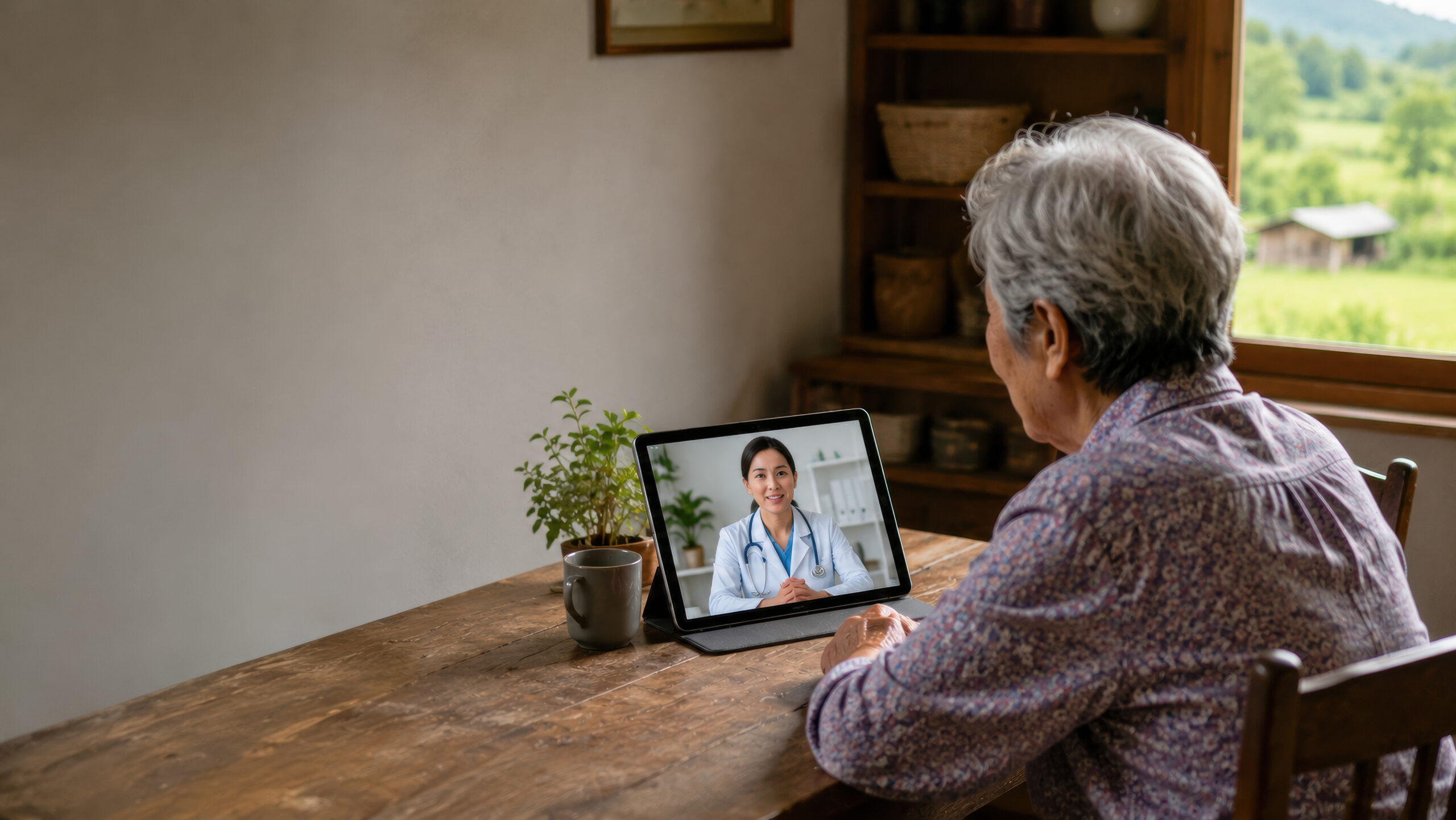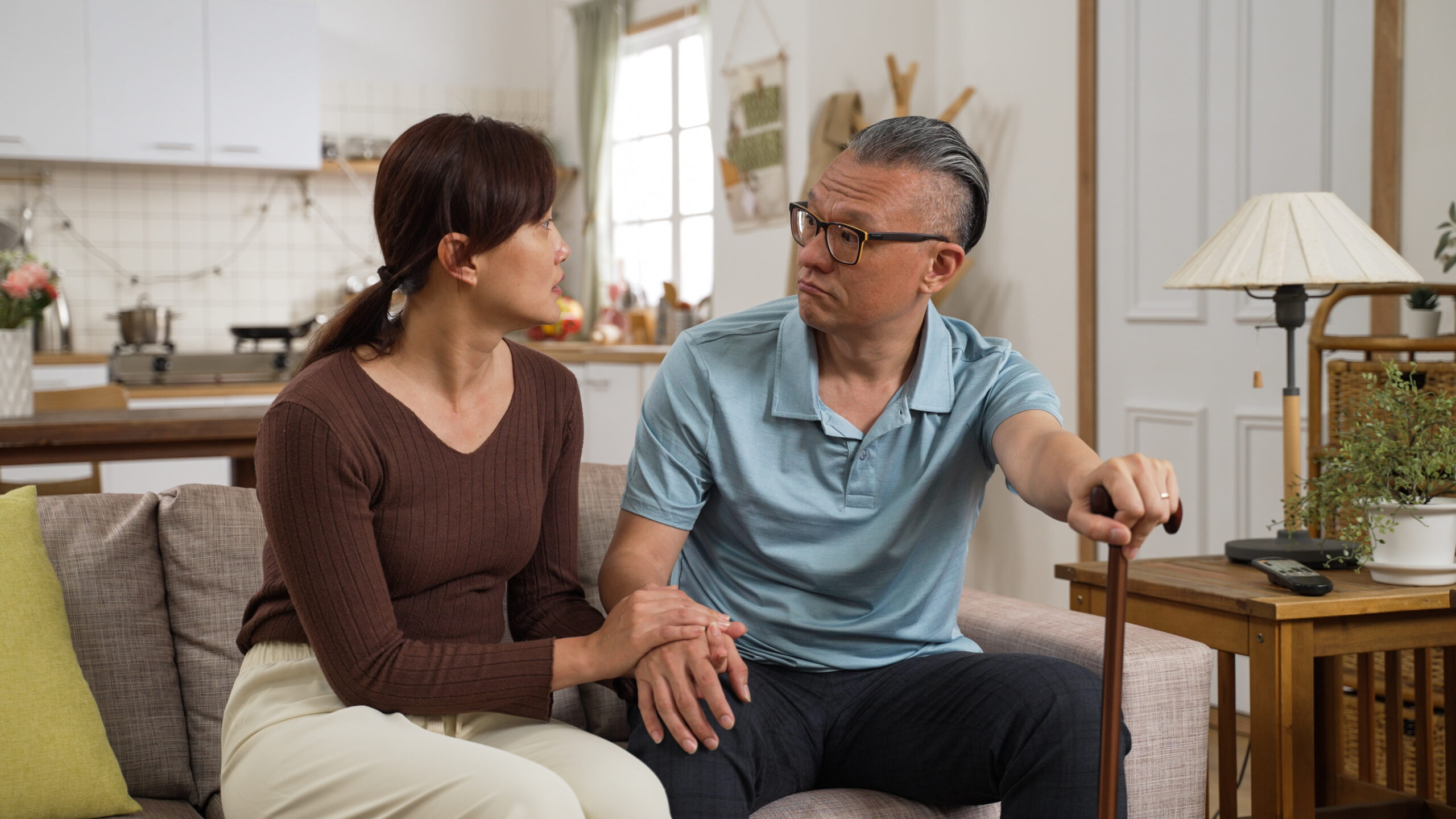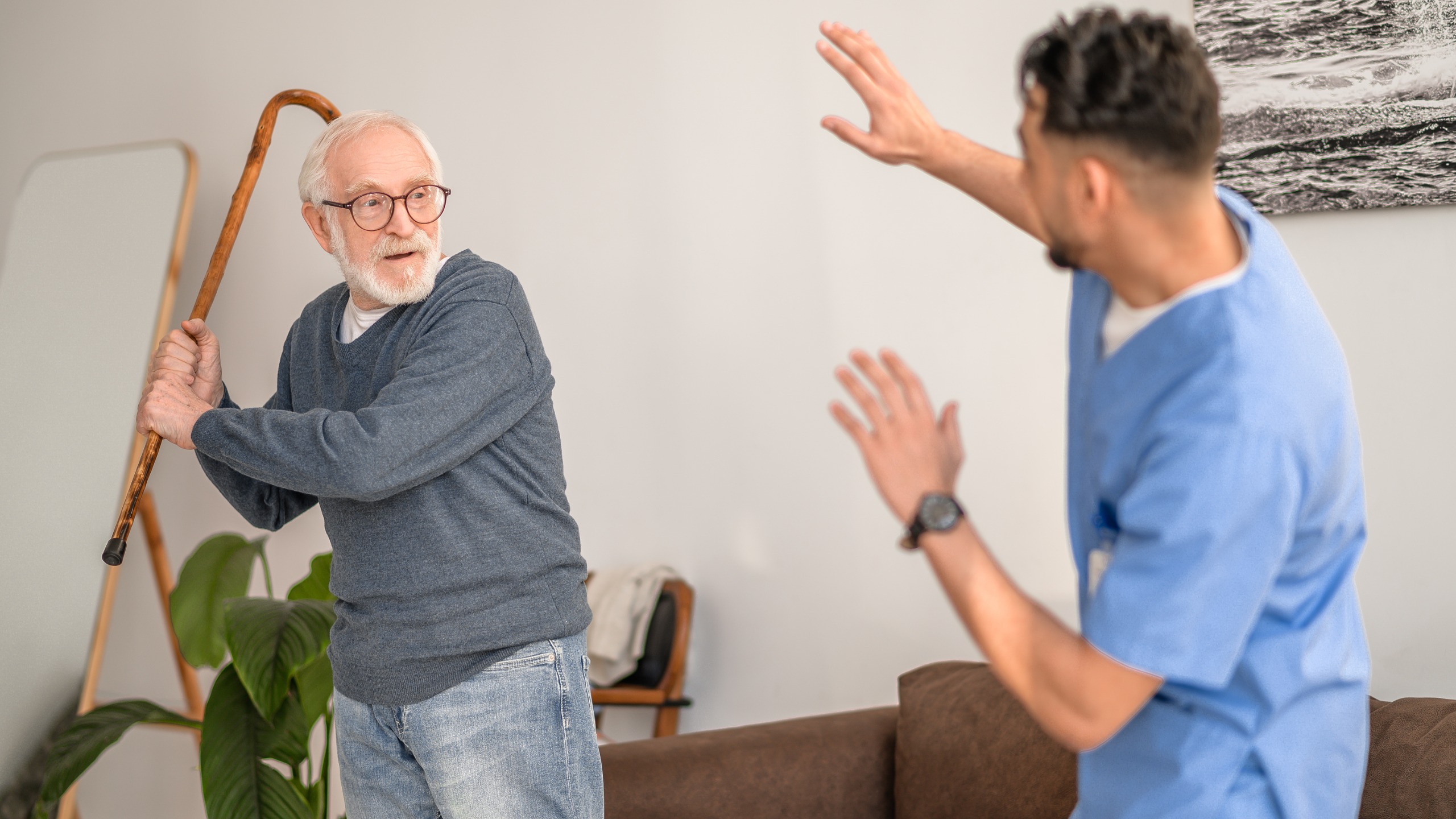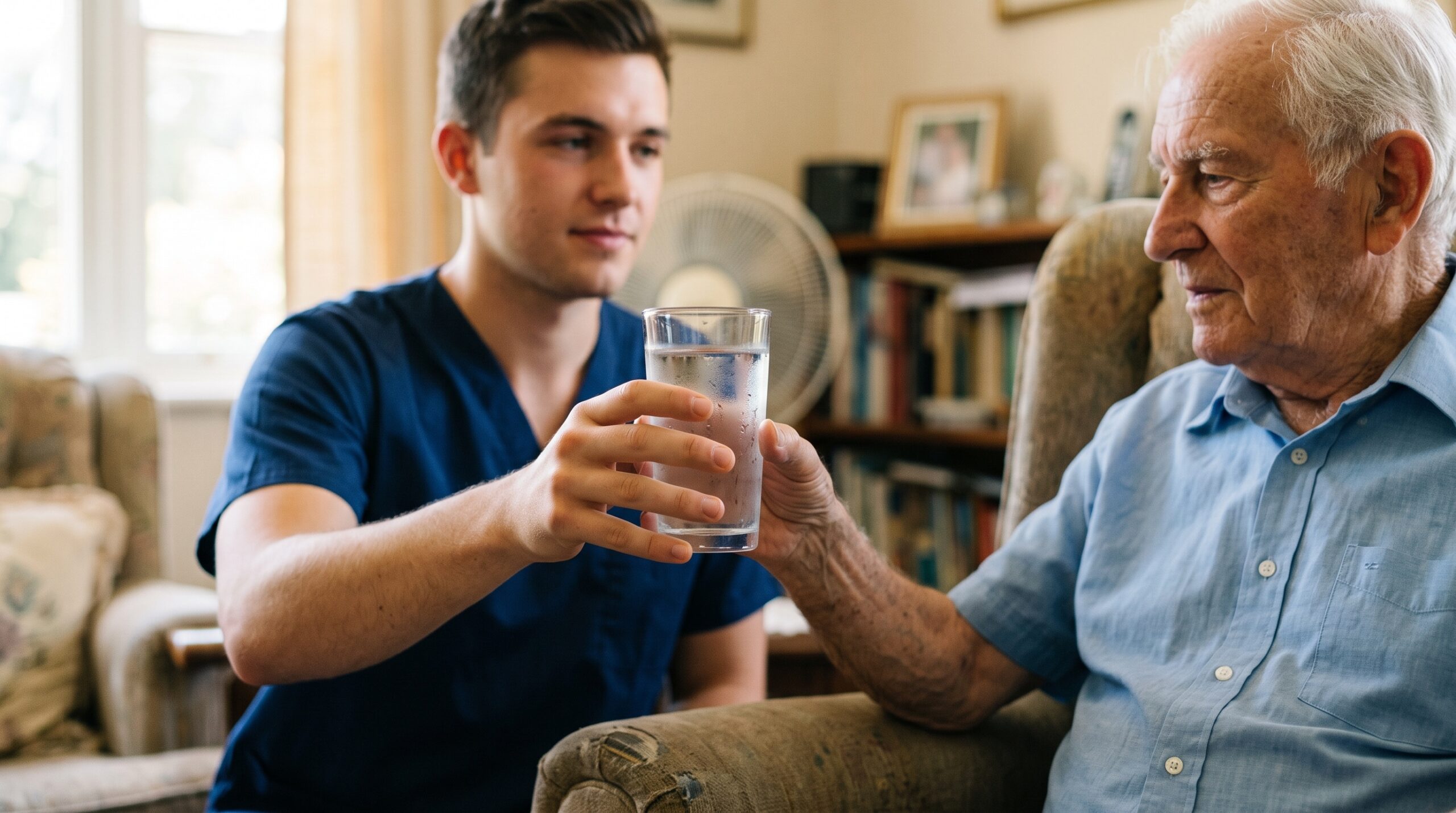
Daily check-ins fall short because they often fail to capture hidden decreases in a senior’s physical health, mental wellbeing, or household safety. While a quick phone call or brief visit provides temporary peace of mind, it rarely reveals the full picture of what an aging adult actually needs to thrive at home. Comprehensive care requires consistent observation to organize medications, ensure proper nutrition, and prevent dangerous falls.
What Hidden Health Issues Do Brief Visits Miss?
Brief visits often mask gradual changes in a senior’s physical or cognitive health. Seniors frequently hide their discomfort or confusion during a short chat to avoid burdening their family members. Continuous monitoring helps families identify subtle red flags, such as:
- Unexplained weight loss or untouched meals in the refrigerator
- Worsening mobility, stiffness, or unexplained bruising
- Signs of memory loss, like forgetting recent conversations or leaving appliances on
Many seniors prefer aging in place over moving to assisted living facilities. If your senior loved one needs assistance to remain safe and comfortable while living at home, reach out to Assisting Hands Home Care, a leading home care Reston agency. Our dedicated in-home caregivers can assist with meal prep, bathing and grooming, exercise, medication reminders, and many other important tasks.
How Does Isolation Impact Mental Wellbeing ?
A quick daily hello doesn’t provide the meaningful social interaction necessary to prevent loneliness and depression. Aging adults need sustained companionship to maintain their cognitive functions and emotional health. Spending extended time together allows caregivers to engage seniors in stimulating activities, hold deep conversations, and actively support their long-term mental wellness.
Are Medication Schedules Being Followed Correctly?
Relying on a short check-in makes it incredibly difficult to verify if a senior is taking his or her prescribed medications safely and on time. Missed doses or accidental double-dosing can lead to severe medical emergencies that escalate rapidly. A dedicated caregiver can actively manage pill dispensers, physically watch the senior take the medication after providing reminders, and monitor for any adverse side effects throughout the day.
Can a Quick Visit Ensure Household Safety?
A five-minute walkthrough is rarely enough time to spot emerging hazards that could cause a devastating fall. Home environments change daily, and comprehensive care involves constantly assessing the living space for new risks. Dedicated home care ensures someone is there to clean up spills, remove tripping hazards like loose rugs, and safely assist with dangerous daily tasks like bathing or cooking.
Living independently is important for seniors who want to maintain a high quality of life. For some, this simply means receiving help with tasks that have become more challenging to manage over time. Even when families have the best intentions, they may not have the time to provide the care their elderly loved ones need and deserve. If your loved one needs help to age in place as independently as possible, reach out to Assisting Hands Home Care, a trusted provider of respite, 24-hour, and overnight care Reston seniors can depend on.
Aging in place can present a few unique challenges for older adults. Some only require part-time assistance with exercise or meal preparation, while others are living with serious illnesses. If your elderly loved one needs 24-hour care, turn to Assisting Hands Home Care Reston. Our caregivers encourage seniors to focus on eating nutritious foods, exercising on a regular basis, maintaining strong social ties, and other lifestyle factors known to increase longevity. To learn about our high-quality in-home care plans, call us today.
Frequently Asked Questions
What’s the difference between a daily check-in and comprehensive home care?
+
A daily check-in is usually a brief visit or call to ensure immediate safety, while comprehensive home care involves sustained daily support with personal and household needs.
How can I tell if my senior loved one needs more than a quick visit?
+
Look for signs of neglected personal hygiene, a messy home, unpaid bills, or unexplained weight loss. These indicators strongly suggest your loved one needs hands-on, continuous assistance rather than a brief daily chat.
What are the risks of relying solely on phone calls to check on seniors?
+
Phone calls completely miss visual cues like physical decline, a hazardous living environment, or signs of poor nutrition. Seniors can easily sound fine on the phone while struggling significantly with their daily routines in reality.
Can technology replace the need for extended in-person care?
+
While medical alerts and indoor cameras add a valuable layer of safety, they cannot replace physical assistance. Technology lacks the empathy, social connection, and proactive hazard prevention that a human caregiver consistently provides.