Fall detection technology gives seniors and their caregivers greater peace of mind by providing an automated safety net at home. With the right system in place, a fall no longer has to mean delayed help or a prolonged recovery.
What Is Fall Detection Technology and How Does It Work?
Fall detection technology uses sensors, algorithms, or wearable devices to identify when a person has fallen and trigger an alert. Common approaches include:
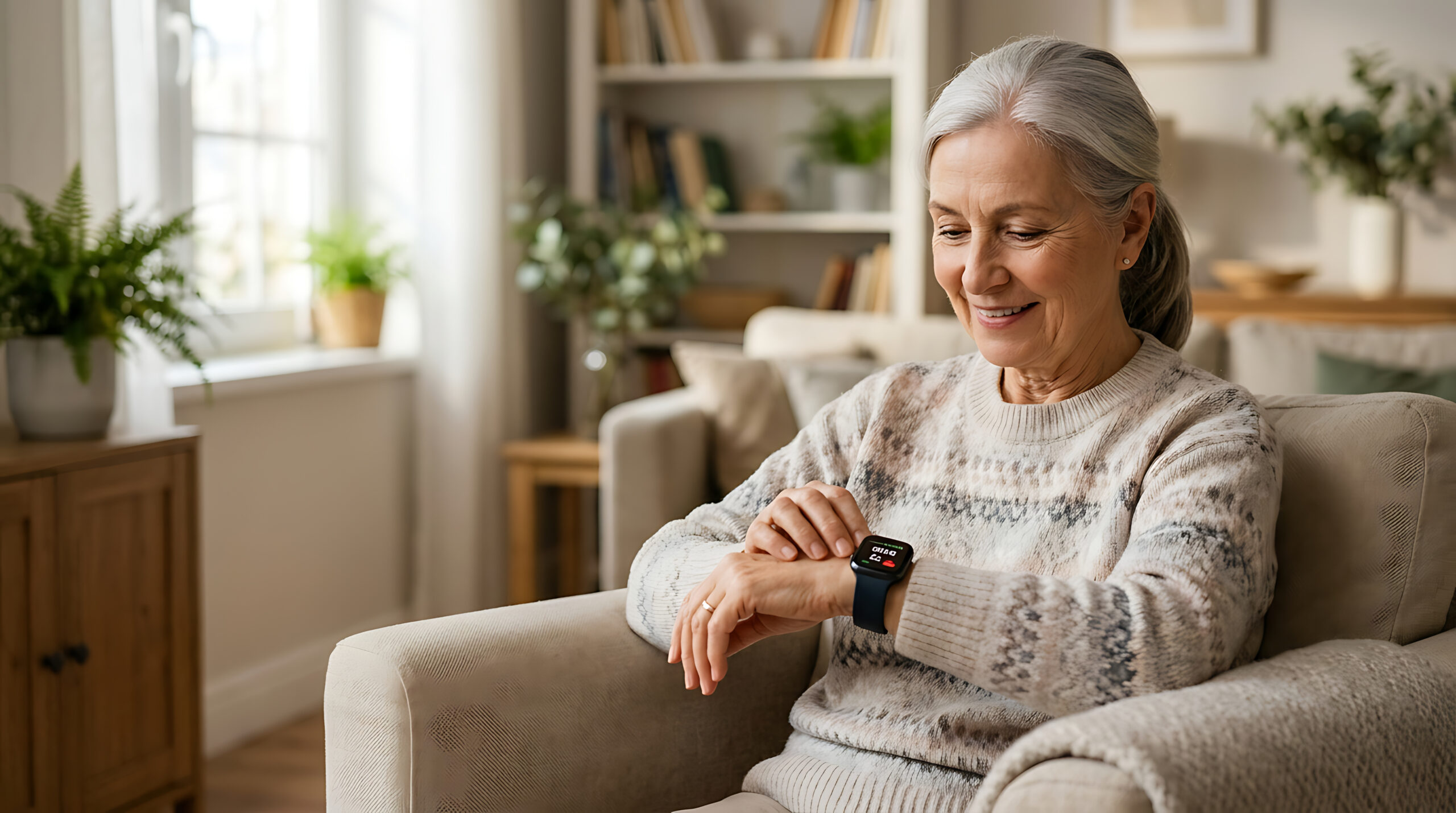
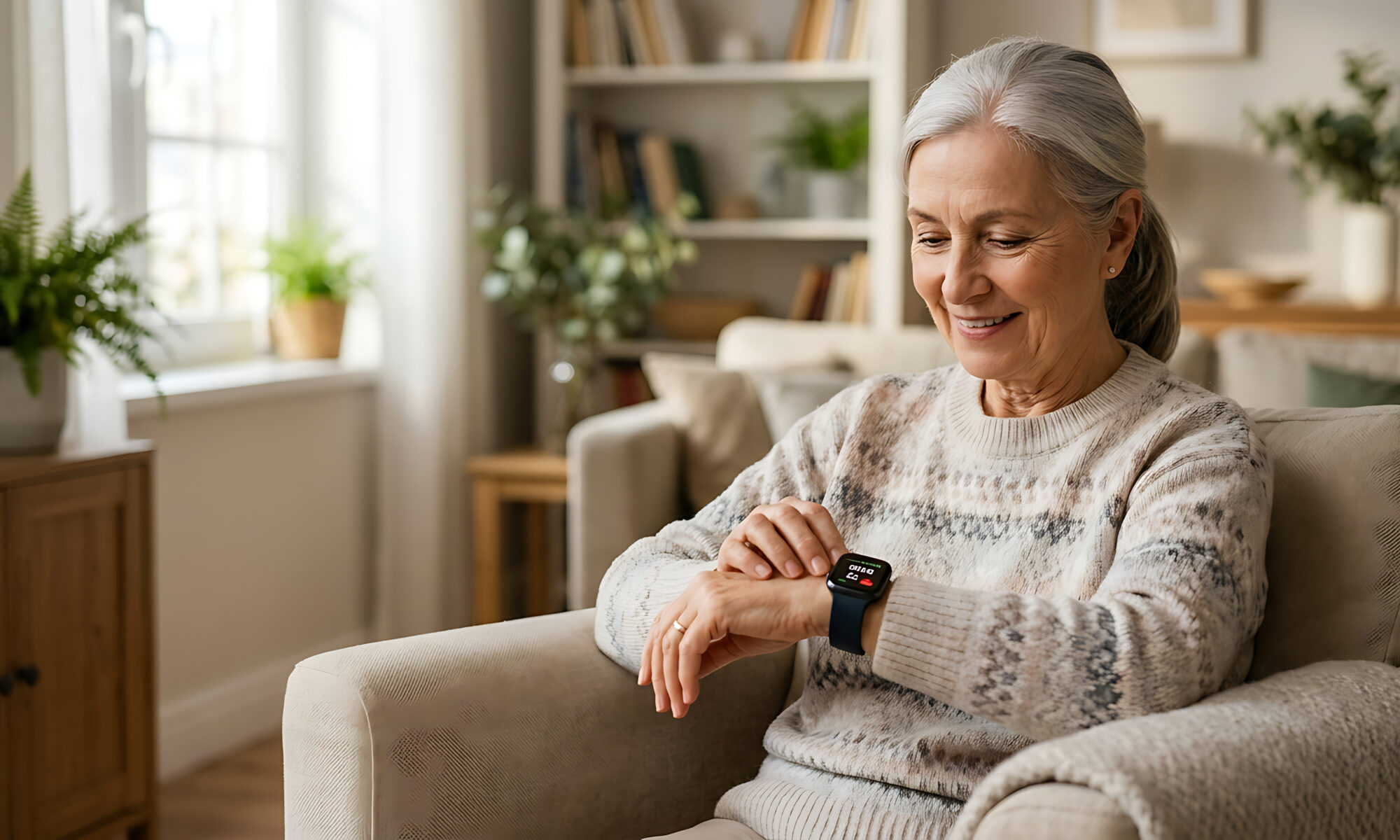
- Wearable devices (pendants, smartwatches) that detect sudden changes in movement or impact
- Camera-based systems that use video analysis to identify fall events
- Radar and infrared sensors placed throughout the home to monitor movement patterns
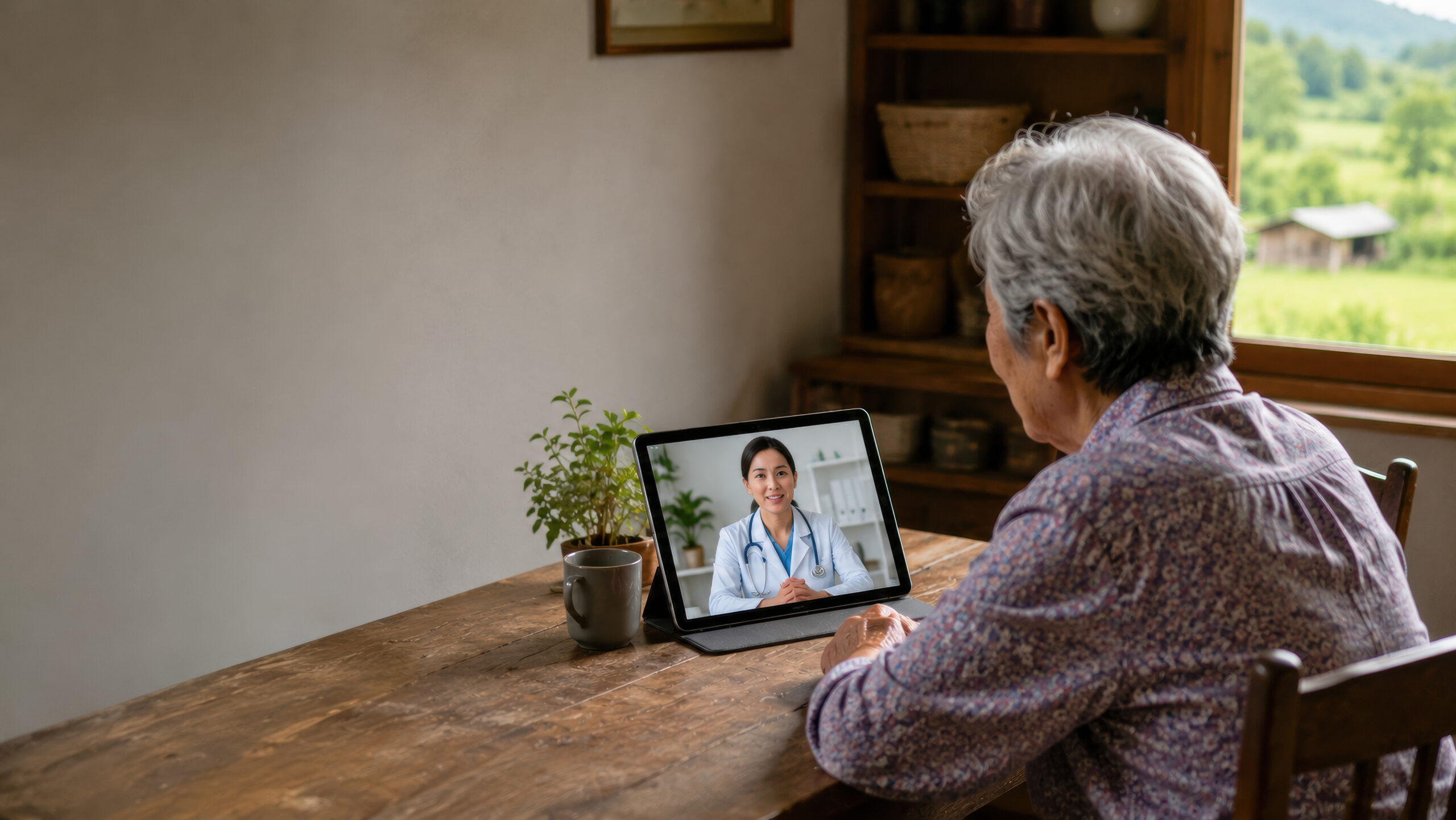
- Smart home integrations that connect fall detection to voice assistants or monitoring platforms
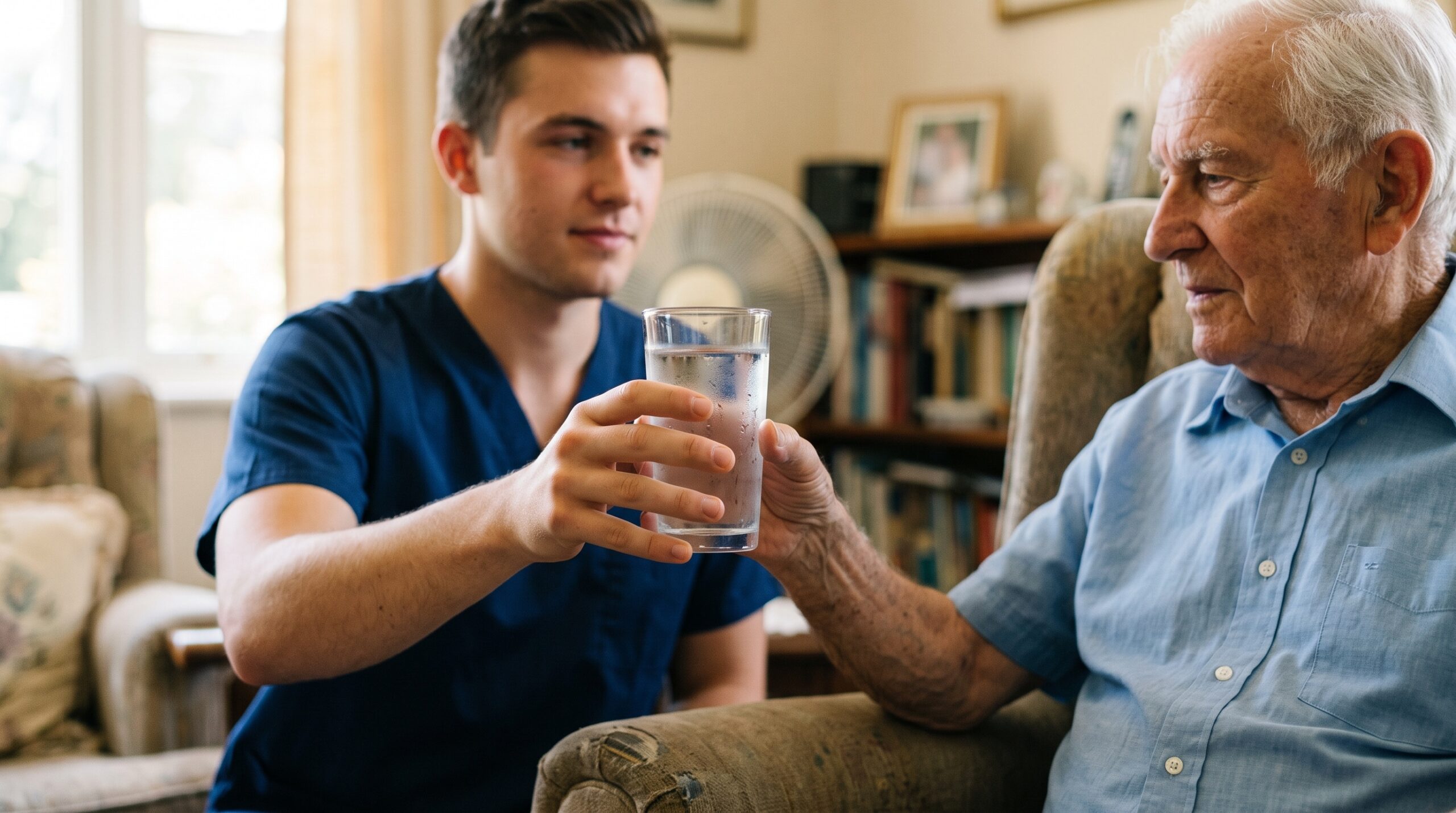
Hiring a professional caregiver is another way to reduce your loved one’s risk of fall-related injuries. Many older adults are choosing to age in place, and some need a helping hand to continue living at home safely and comfortably. Luckily, there is professional home care Reston seniors can trust and rely on.
What Are the Key Features to Look for in a Fall Detection System?
Not all fall detection systems offer the same level of protection. When evaluating options, prioritize these features:
- Automatic detection – The system should alert caregivers without requiring the senior to press a button.
- Low false-alarm rate – Frequent false alerts can cause alert fatigue and reduce trust in the system.
- Two-way communication – Allows the senior to speak directly with a caregiver or emergency responder after a fall.
- Battery life and reliability – Wearable devices should hold a charge for at least 24 hours.
- 24/7 monitoring coverage – Including during nighttime hours, when falls are more common.
A trained caregiver can be a fantastic resource for family members with loved ones living in northern Virginia, especially during the nighttime hours. At Assisting Hands Home Care, our Reston overnight care services address a full range of needs, including personal care, mobility assistance, toileting, and repositioning. Caregivers also provide fall prevention monitoring, medical equipment support, and emotional reassurance for clients who experience nighttime anxiety or disorientation. Services are available on an occasional or ongoing basis and can be coordinated with flexible hourly daytime care for continuous around-the-clock support.
How Do Wearable Devices Compare to In-Home Sensor Systems?
The right system depends on the senior’s lifestyle and home environment.
- Wearable devices are portable and effective outside the home but rely on seniors wearing them consistently.
- In-home sensors provide passive monitoring without any action required from the senior, but coverage is limited to the home.
- Hybrid systems that combine both approaches offer the most comprehensive protection.
Choose a wearable device if the senior is active and spends time outside the home. Opt for in-home sensors if consistent device use is a concern.
What Privacy Considerations Should Caregivers Keep in Mind?
Fall detection systems—especially camera-based ones—can raise legitimate privacy concerns for seniors. Before installing any system:
- Choose nonvisual options (radar or wearable) if privacy is a priority.
- Review the provider’s data storage and sharing policies.
- Involve your loved one in the decision-making process to ensure he or she is comfortable with the level of monitoring.
- Look for systems that store data locally rather than in the cloud where possible.
How Much Does Fall Detection Technology Typically Cost?
Costs vary significantly depending on the type of system:
- Basic wearable pendants with monitoring plans typically range from $20 to $50 per month.
- Advanced wearables with smartwatch features can cost $100–$400 up front, plus monthly fees.
- In-home sensor systems generally range from $100–$500 for equipment, with optional monitoring subscriptions.
- Some systems are covered partially by long-term care insurance or Medicare Advantage plans. Always check eligibility before purchasing.
Certain age-related conditions can make it more challenging for seniors to age in place safely and comfortably, but 24-hour care experts are available around the clock to help Reston seniors manage their health. Whether your loved one is living with dementia or recovering from a stroke, you can trust the professional caregivers from Assisting Hands Home Care to enhance his or her quality of life. At Assisting Hands Home Care, we take measures to help seniors prevent illness and injury by assisting with exercise and mobility, preparing nutritious meals, helping with bathing and other personal hygiene tasks, and much more. For reliable in-home care services, contact us today.
Frequently Asked Questions
How accurate is fall detection technology?
+
Accuracy varies by system, but leading devices report detection rates between 90 and 95 percent. Sensor placement, device calibration, and the senior’s movement patterns can all affect performance.
Can fall detection devices be worn in the shower or bath?
+
Many wearable fall detection devices are waterproof or water-resistant, which is important because bathrooms are one of the most common locations for falls among seniors.
What happens if a false alarm is triggered?
+
Most systems allow seniors to cancel false alarms within a short window, and monitoring centers will typically attempt to verify an emergency before dispatching services.
Is fall detection technology difficult for seniors to use?
+
Many systems are designed to require minimal interaction from the senior, particularly passive in-home sensor systems that work automatically in the background.
Can fall detection technology work if a senior lives alone?
+
Yes. Most systems are specifically designed for seniors living alone and will automatically alert a designated caregiver or emergency services without any action needed from the senior.