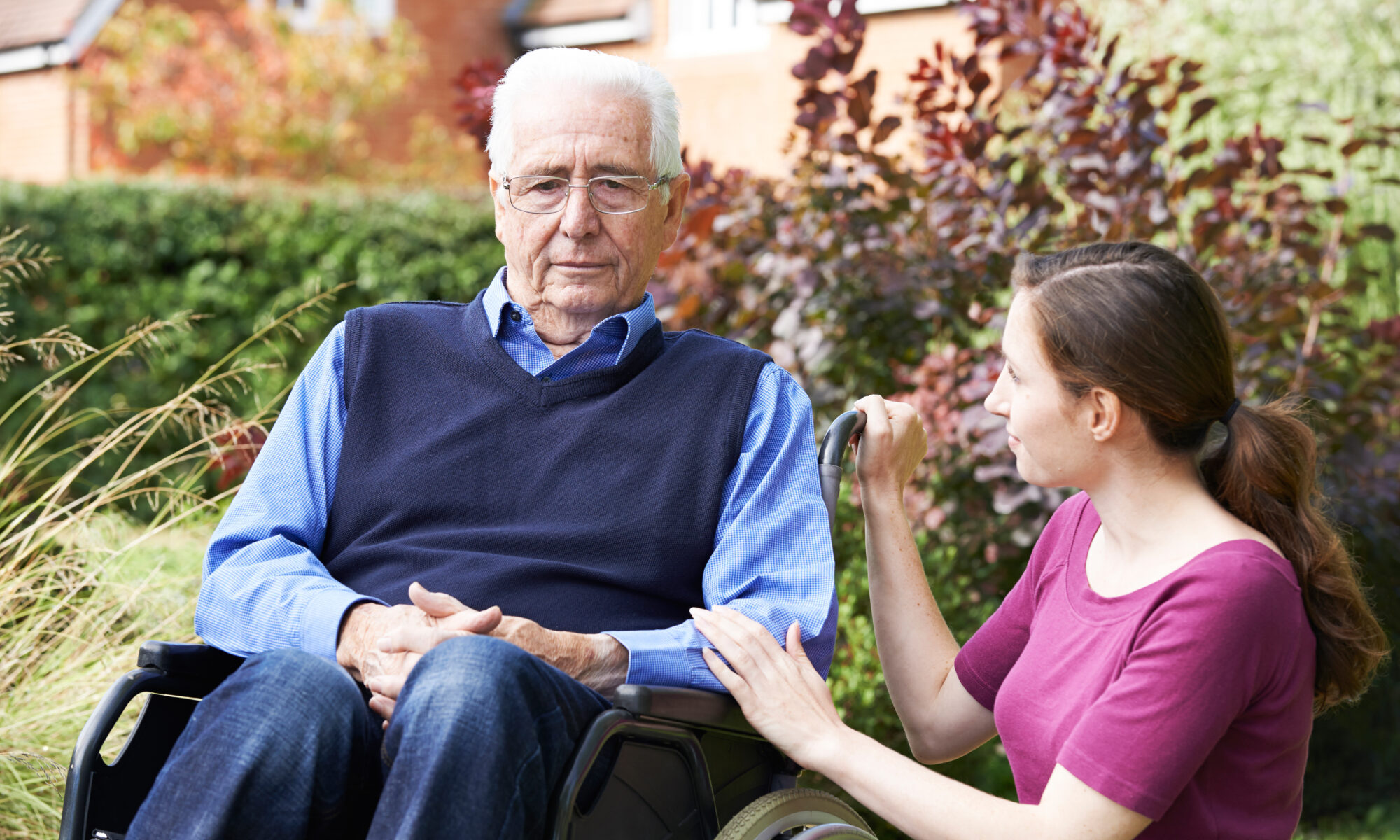
Caring for a senior loved one with dementia presents unique challenges even experienced caregivers find it difficult to navigate. Well-meaning family members and professional caregivers often make critical errors that can worsen symptoms or create unnecessary stress for everyone involved. Understanding these common pitfalls can dramatically enhance the quality of care and daily experiences for dementia patients.
Arguing or Correcting Their Reality
One of the most frequent mistakes caregivers make is trying to correct a dementia patient’s perception of reality. When dementia patients insist their deceased spouse is coming for dinner or believe they’re late for work at a job they retired from decades ago, the natural instinct is to provide corrections.
Why this backfires:
- Creates confusion and agitation
- Can trigger emotional distress or combative behavior
- Damages trust between caregiver and senior
- Increases anxiety levels
Better approach – Enter your loved one’s reality respectfully. If your loved one is waiting for someone who won’t come, acknowledge his or her feelings and gently redirect his or her attention to a pleasant activity.
Overwhelming Them with Too Many Choices
Decision-making becomes increasingly difficult as dementia progresses. Caregivers often present too many options, thinking they’re being helpful by maintaining their loved ones’ autonomy.
Common scenarios where this happens:
- Offering an entire closet of clothing options
- Presenting multiple meal choices
- Asking open-ended questions about activities
- Providing complex entertainment options
Better strategy – Limit choices to two simple options. Instead of “What would you like to wear?” try “Would you like the blue shirt or the red one?”
Rushing through Daily Activities
Time pressure creates stress for dementia patients, who need extra processing time for even simple tasks. Caregivers often rush morning routines, meals, or personal care to stay on schedule.
Signs you’re moving too fast:
- Your loved one becomes agitated during routine tasks
- Resistance to basic care activities increases
- Confusion seems worse during hurried moments
- Physical symptoms like trembling or rapid breathing appear
Solution – Build extra time into daily schedules. Allow 50 percent more time than you think activities should take, and follow your loved one’s natural pace whenever possible.
Caring for a loved one with dementia is a challenging task for anyone. The responsibilities can sometimes feel overwhelming, but help is available. Families looking for top-rated home care service providers can reach out to Assisting Hands Home Care Reston. From respite care to specialized Alzheimer’s, dementia, stroke, and Parkinson’s care, there are many ways we can make life easier for seniors and their loved ones.
Neglecting Their Own Self-Care
Caregiver burnout directly impacts the quality of care provided. Many caregivers sacrifice their physical and mental health, believing it demonstrates dedication to their loved ones.
Warning signs of caregiver burnout:
- Chronic exhaustion despite adequate sleep
- Increased irritability with your loved one
- Neglecting personal medical appointments
- Social isolation from friends and family
- Depression or anxiety symptoms
Essential self-care practices:
- Scheduling regular respite care
- Maintaining social connections outside caregiving
- Seeking support groups for dementia caregivers
- Prioritizing your own medical care
- Practicing stress-reduction techniques
Family caregivers need to care for their own wellbeing. If you’re caring for an aging loved one and are feeling overwhelmed, consider hiring a professional caregiver to provide respite care Reston families can trust. To prevent burnout, you can turn to Assisting Hands Home Care. One of our professional caregivers can assist your loved one at home while you take a nap, go to work, run errands, or go on vacation.
Using Complex Language and Instructions
As dementia progresses, language comprehension declines significantly. Caregivers often continue using complex sentences, multiple-step instructions, or abstract concepts that confuse dementia patients.
Communication mistakes to avoid:
- Giving multistep directions at once
- Using pronouns without clear references
- Speaking too quickly or loudly
- Using abstract concepts or idioms
- Asking questions that require detailed memory recall
Effective communication techniques:
- Using simple, concrete language
- Breaking instructions into single steps
- Making eye contact and speaking slowly
- Using visual cues and gestures
- Repeating important information calmly
Aging in place can present a few challenges for seniors living with dementia. However, with professional dementia care that offers Reston families peace of mind, they can still live independently at home. Families can rely on Assisting Hands Home Care to provide their elderly loved ones with mental and social stimulation, timely medication reminders, assistance with meal prep, and much more. Our caregivers are available around the clock to help your loved one live a happier and healthier life. If your loved one needs help with the challenges of aging, call one of our compassionate Care Specialists today.