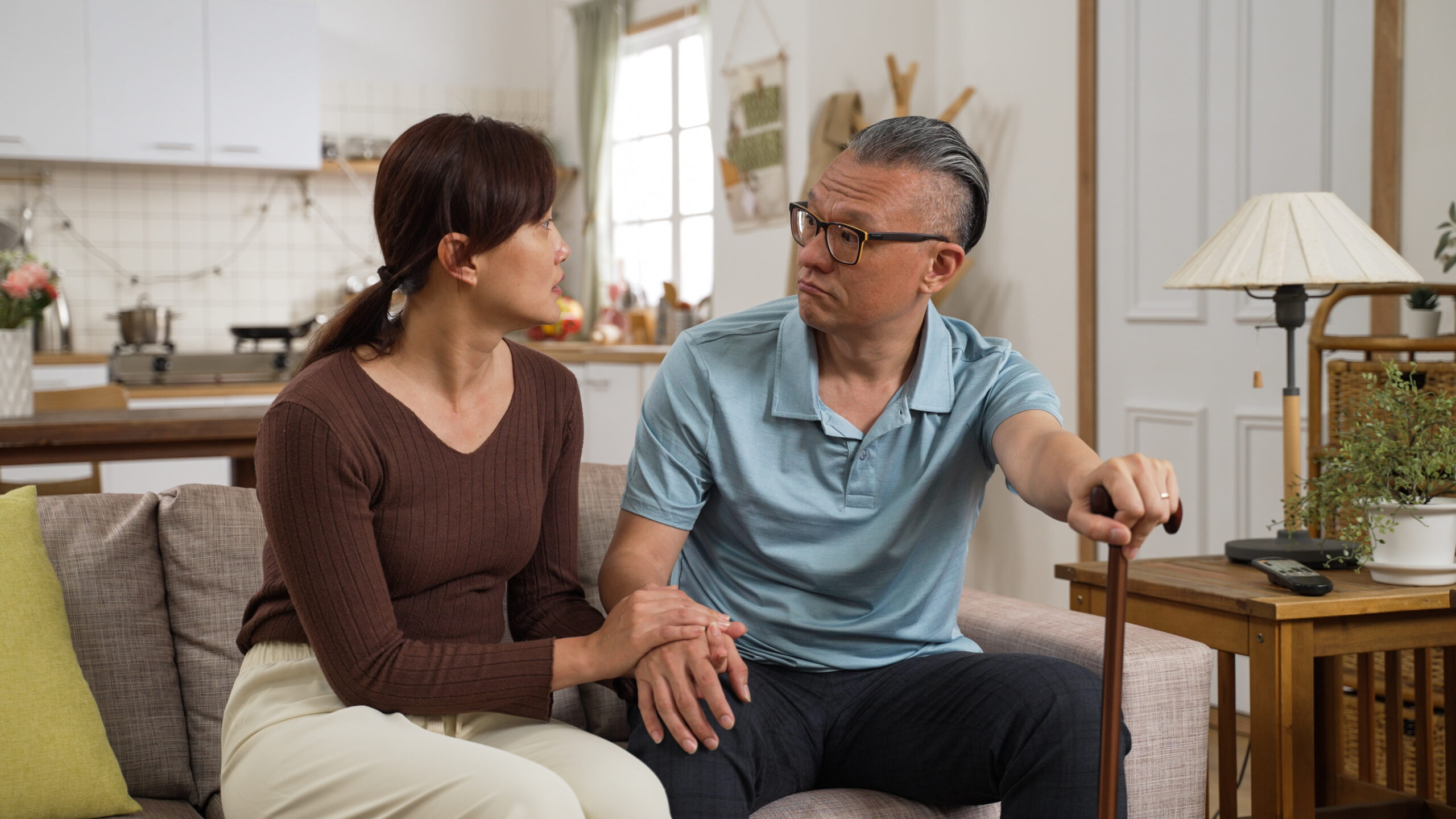
Balancing autonomy and safety in home-based dementia support means creating environments where individuals can exercise meaningful independence while having appropriate safeguards in place to reduce risk. With the right strategies, caregivers can honor personal dignity without compromising wellbeing.
Caring for a senior loved one with dementia at home presents a unique challenge: How do you keep seniors safe without taking away their sense of self? The sections below offer practical guidance for navigating this balance with compassion and confidence.
Why Does Autonomy Matter for People Living with Dementia?
Preserving autonomy supports emotional wellbeing, self-worth, and overall quality of life even as cognitive ability declines.
- People with dementia retain personal preferences, values, and routines that deserve respect.
- Removing all decision-making can accelerate feelings of helplessness and depression.
- Small choices—what to wear, what to eat, when to rest—can have a significant positive impact on mood and behavior.
Caring for a loved one with dementia can be challenging, but compassionate help is available. There are a variety of age-related health conditions that can make it more challenging for seniors to live independently. However, many of the challenges they face can be easier to manage if their families opt for professional home care Reston families can trust. Families can rely on expertly trained caregivers to keep their loved ones safe and comfortable while aging in place.
What Are the Most Common Safety Risks in Home-Based Dementia Care?
Home environments can present several hazards that become more pronounced as dementia progresses.
- Wandering – One of the most serious risks, wandering can lead to falls, exposure, or disorientation far from home.
- Falls – Poor lighting, loose rugs, and cluttered spaces significantly increase fall risk.
- Kitchen hazards – Stoves, sharp utensils, and expired food can pose real dangers when left unsupervised.
- Medication errors – Missing doses or taking incorrect amounts is common without proper oversight.
Highly trained caregivers with experience in caring for seniors with dementia can be a fantastic resource for family members. Family caregivers need to care for their own wellbeing. If you’re caring for an aging loved one and are feeling overwhelmed, consider hiring a professional caregiver. Whether you need respite from your caregiving duties or your aging loved one needs the best 24-hour care in Reston or a nearby area in northern Virginia, Assisting Hands Home Care can meet your family’s care needs. Our dedicated caregivers are available around the clock to assist seniors with bathing, grooming, and various other daily tasks, and we also offer specialized Alzheimer’s, dementia, stroke, and Parkinson’s care.
How Can Caregivers Modify the Home Environment to Support Both Safety and Independence?
Simple home modifications can reduce risk while still allowing your loved one to move freely and confidently.
- Install door alarms or GPS tracking devices to address wandering without restricting movement entirely.
- Use grab bars, nonslip mats, and improved lighting to prevent falls.
- Set stove automatic shutoff devices or switch to a microwave-only kitchen setup.
- Label drawers, rooms, and everyday items with clear signs or pictures to support navigation and independence.
- Organize medications in a clearly labeled weekly pill dispenser or use a timed dispenser with alerts.
How Can Caregivers Support Decision-Making without Overstepping?
Allowing people with dementia to participate in decisions—at whatever level they’re able—reinforces dignity and trust.
- Offer limited, clear choices rather than open-ended questions (e.g., “Would you like tea or coffee?” rather than “What do you want to drink?”).
- Follow your loved one’s lead on daily routines and preferred activities whenever it’s safe to do so.
- Use a “yes, and” approach: redirect rather than refuse when a request poses a risk.
- Involve your loved one in conversations about his or her own care preferences while he or she is still able to express them.
When Should Caregivers Reassess the Balance between Autonomy and Safety?
As dementia progresses, the appropriate balance between independence and oversight will shift, and regular reassessment is essential.
- Review care arrangements whenever there’s a noticeable change in behavior, mobility, or cognitive function.
- Involve your loved one in reassessments whenever possible.
- Consult with occupational therapists or dementia care specialists to evaluate home safety and adapt strategies accordingly.
- Revisit legal documents such as power of attorney to ensure decision-making responsibilities are clearly defined before they’re urgently needed.
Even when families have the best intentions, caring for a senior loved one with dementia can be challenging. Fortunately, Assisting Hands Home Care is here to help. We are a leading provider of dementia care Reston families can trust. You can take advantage of our flexible and customizable care plans, and our caregivers always stay up to date on the latest developments in senior care. To learn about our premier in-home care options, give us a call today.
Frequently Asked Questions
How do I know when someone with dementia needs more supervision at home?
+
Signs include increased confusion, recent falls, getting lost in familiar places, or difficulty completing daily tasks that were previously manageable.
Is it safe to leave a person with dementia alone at home?
+
This depends on the stage of dementia and your loved one’s specific needs. In early stages, short periods alone may be fine, but as the condition progresses, continuous supervision often becomes necessary.
What technology can keep someone with dementia safe at home?
+
GPS tracking devices, door and window alarms, automatic stove shutoffs, and video monitoring systems are all widely used tools that can enhance home safety.
How can I respect someone’s wishes when they conflict with the person’s safety
+
Where possible, look for creative compromises—such as supervised versions of a preferred activity—and lean on previously expressed preferences or advance care directives to guide decisions.
What support is available for family caregivers managing dementia at home?
+
Respite care services, local dementia support groups, and community organizations such as the Alzheimer’s Association offer resources, training, and emotional support for family caregivers.