Caring for a senior loved one can be both rewarding and challenging. Over time, you may start to notice changes in your loved one’s health or behavior that make you wonder if more comprehensive care is necessary. Understanding the signs that indicate your loved one needs around-the-clock support can help you make informed and compassionate decisions.
Worsening Physical Health
One of the clearest indicators your loved one might need 24/7 care is a noticeable decline in physical health. Look out for the following:
- Frequent falls or mobility issues – Difficulty walking, frequent falls, or an inability to get up from a chair could signal your loved one needs constant support to prevent injuries.
- Unmanaged chronic conditions – Conditions like diabetes, heart disease, or COPD may require constant monitoring to avoid complications.
- Unexplained weight loss or malnutrition – If your loved one forgets to eat or is unable to prepare meals, his or her nutritional needs may not be met without additional care.
Physical health challenges often impact a person’s ability to manage daily tasks, making around-the-clock care crucial for safety and wellbeing.
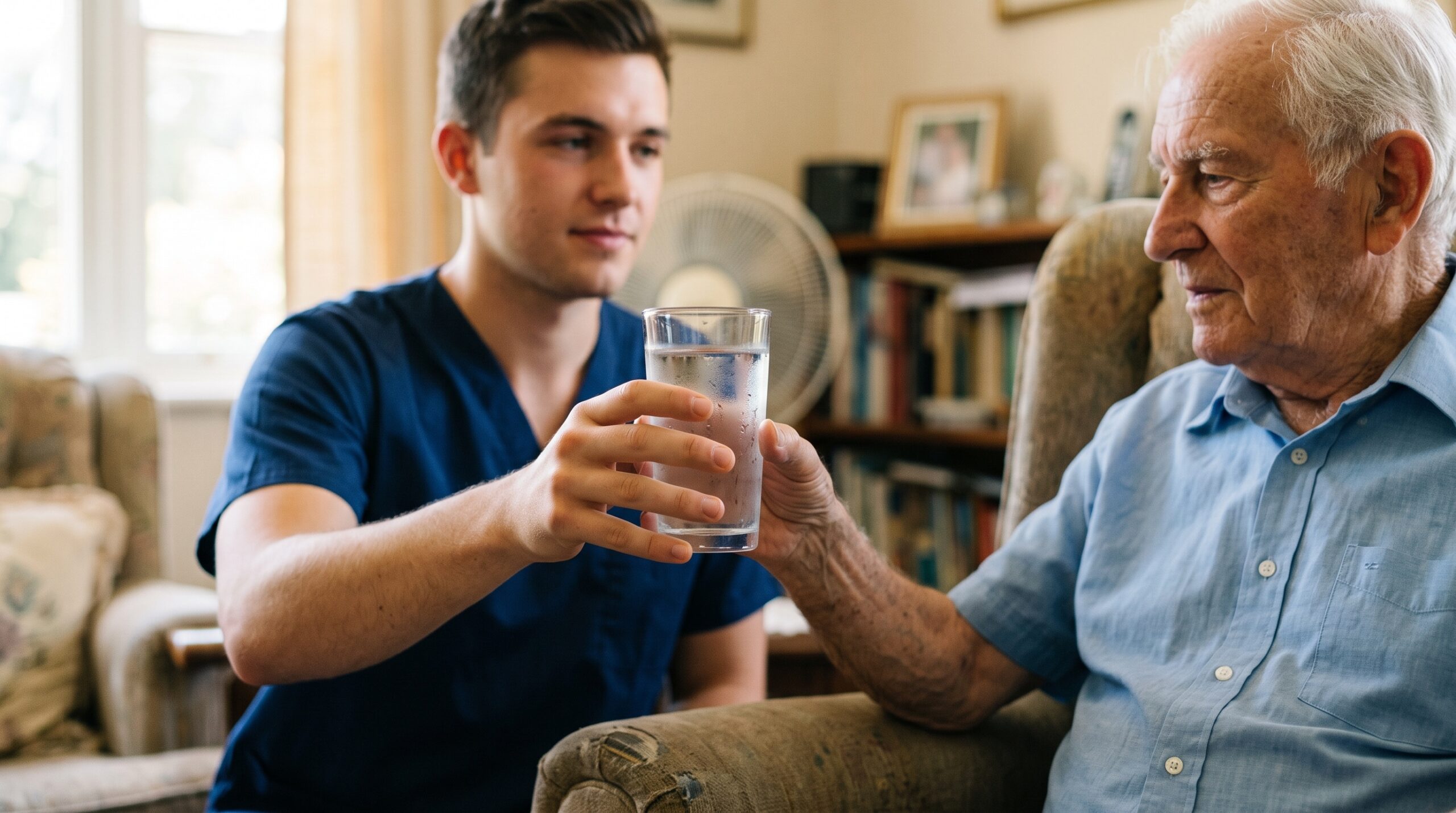
If your aging loved one needs help managing everyday tasks or encouragement to adopt healthier lifestyle choices, turn to Assisting Hands Home Care, a leading provider of home care Great Falls. Assisting Hands Home Care provides professional in-home caregivers around the clock to help seniors live longer, happier, and healthier lives.
Cognitive Decline or Memory Issues
Cognitive changes, such as memory loss or confusion, may also signal the need for 24-hour care. Some specific signs include:
- Wandering off or getting lost – Seniors with advanced dementia or Alzheimer’s may wander away from home, putting themselves in dangerous situations.
- Difficulty remembering appointments or medication schedules – Missing medications can lead to serious health issues.
- Challenges with decision-making – Poor judgment can affect the ability to respond to emergencies or complete housework safely.
When cognitive decline interferes with safety and independence, having a caregiver available at all times can provide peace of mind for the entire family.
Certain age-related conditions can make it more challenging for seniors to age in place safely and comfortably, but Great Falls home care experts are available around the clock to help seniors manage their health. Whether your loved one is living with dementia or recovering from a stroke, you can trust the professional caregivers from Assisting Hands Home Care to enhance his or her quality of life.
Challenges with Personal Hygiene and Daily Activities
If your loved one is having difficulty maintaining personal hygiene or performing daily activities, it may indicate he or she requires additional care. Be on the lookout for:
- Neglected grooming or cleanliness – Unwashed hair, soiled clothing, or body odor could indicate your loved one can no longer manage personal hygiene independently.
- Unsafe cooking or cleaning habits – Leaving the stove on or having difficulty cleaning can pose threats to your loved one’s safety and living environment.
- Difficulty dressing or bathing – Tasks that require physical dexterity may become too overwhelming without help.
Around-the-clock care can ensure these essential tasks are consistently and safely completed.
Changes in Behavior or Emotional Health
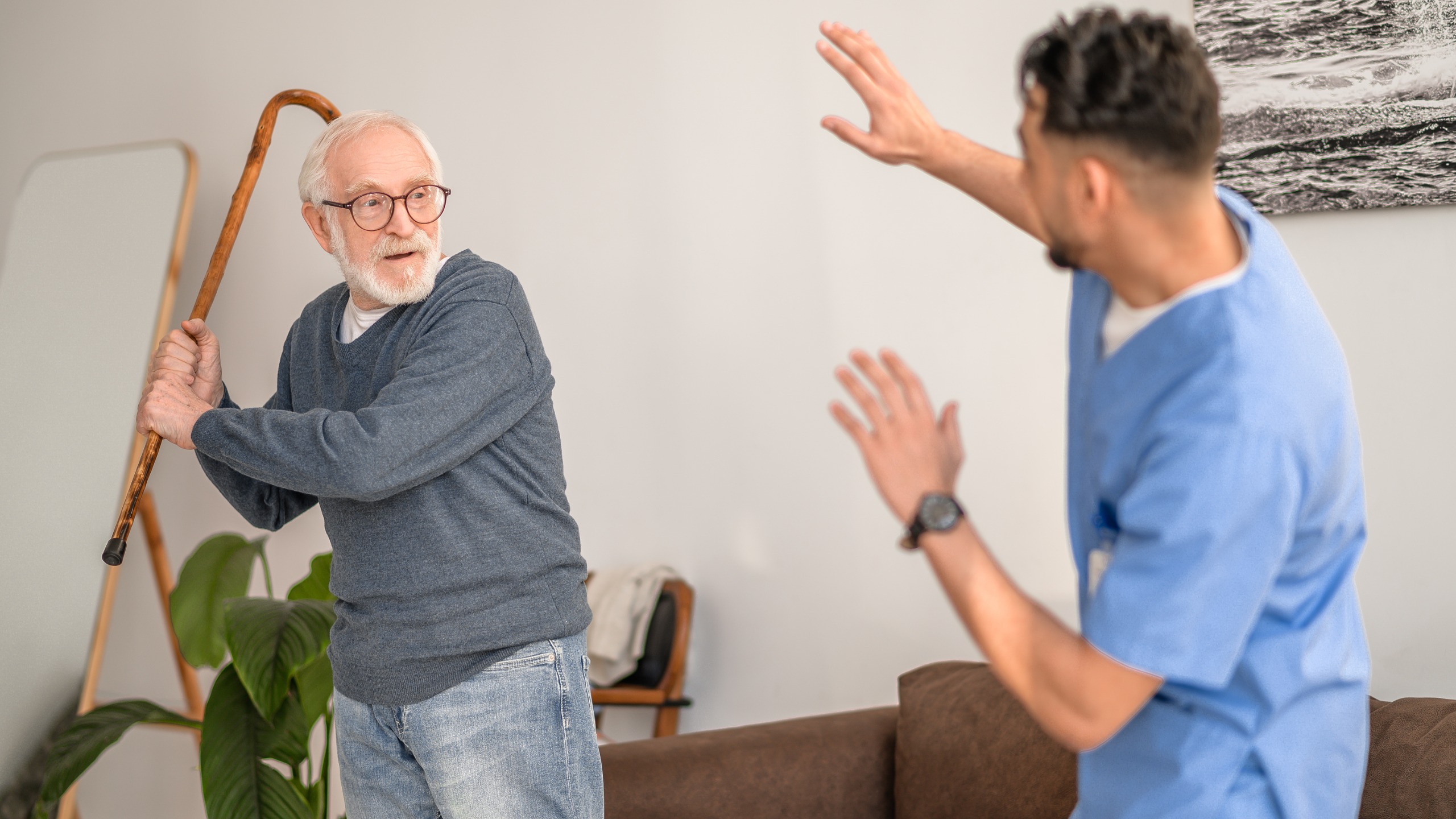
Behavioral or emotional changes may also hint at the need for more intensive care. Pay attention if you notice:
- Social withdrawal – A lack of interest in activities or avoiding social interactions may signal isolation or depression.
- Mood swings or anger – Unexplained mood changes may stem from frustration over declining abilities.
- Signs of anxiety or paranoia – Constant worry or mistrust of others can make it difficult to live independently.
Professional caregivers are trained to provide support in these situations, boosting emotional wellbeing.
Family Caregiver Burnout
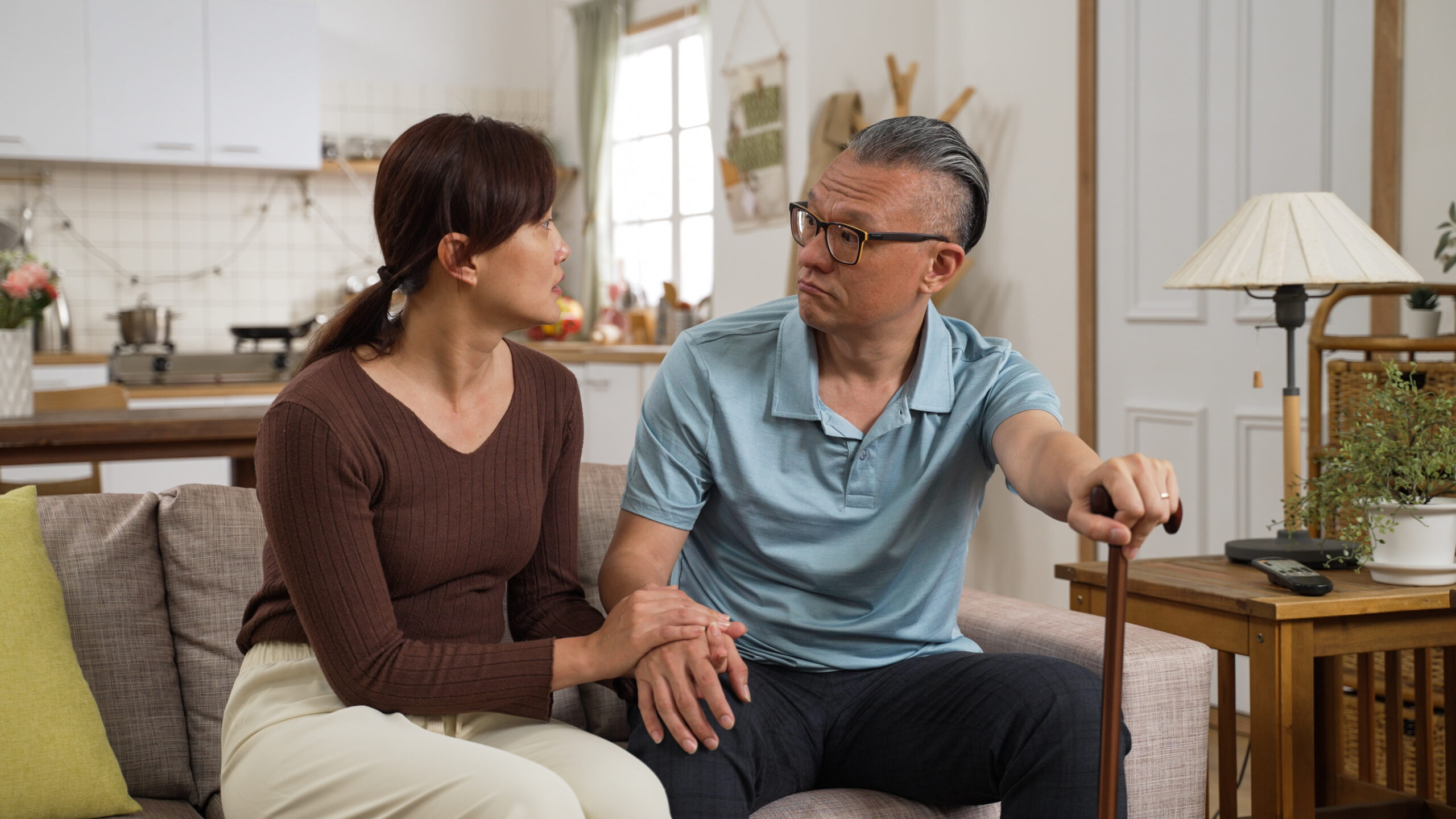
Finally, consider how caregiving is affecting you or other family members. If you’re experiencing physical, emotional, or mental exhaustion, it might be time to think about outside help. Burnout symptoms can include:
- Feeling overwhelmed by responsibilities and tasks
- Neglecting your own health or work due to caregiving duties
- Having less time for your family, friends, or self-care
Recognizing caregiver burnout is ess
ntial, not only for your wellbeing but also for your loved one’s care. Around-the-clock professionals can step in to ensure your loved one gets the attention he or she deserves.
Seniors can face a variety of age-related challenges. Though some families choose to take on the caregiving duties, there may come a time when they need a trusted Great Falls home care provider. Families sometimes need respite from their duties so they can focus on their other responsibilities, and some seniors need around-the-clock assistance that their families are not able to provide. Assisting Hands Home Care is here to help. Call us today to learn about our high-quality in-home care services.